* Prices are subject to revision. Delivery fees may vary by location.
Description
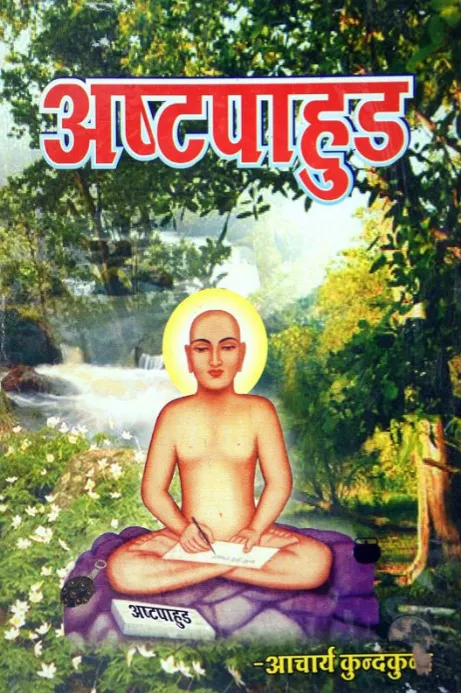
Ashtapahud (अष्टपाहुड़) is a profound Jain scripture written by the revered Digambara monk Acharya Kundkundadeva around the 1st century BCE. The name translates to "Eight Treatises," as it is a compilation of eight distinct "Pahuds" (chapters) written in Prakrit Gathas (verses). The text consists of 502 verses that provide a comprehensive guide on right faith, knowledge, and conduct. Darshan Pahud: Focuses on Samyaktva (Right Perception) as the essential foundation for liberation. Sutra Pahud: Discusses the importance of following the scriptures as taught by the omniscient Jinas. Charitra Pahud: Details the two types of right conduct: Samyak-Charitra and Samyama-Charitra (restraint). Bodh Pahud: Covers enlightenment, defining sacred places, idols (Jinavimb), and the qualities of teachers (Acharyas). Bhava Pahud: Emphasizes that internal purity of attitude (Bhava) is more critical than mere external rituals. Moksha Pahud: Explains the means and the ultimate nature of liberation (Moksha). Ling Pahud: Discusses the appropriate attire and internal attitude of a true Digambara monk. Shil Pahud: Focuses on morality, virtue, and chastity as pillars of spiritual progress
Topics